
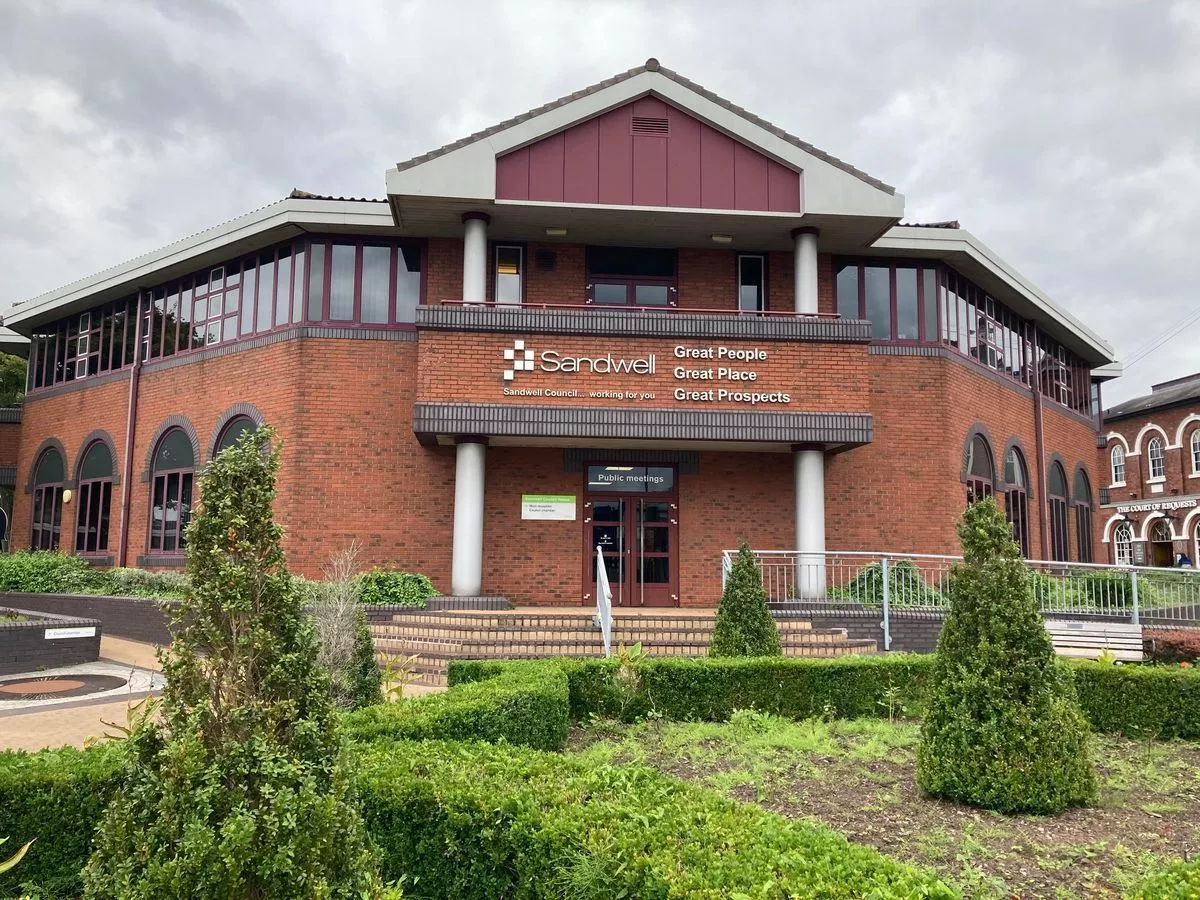
This is the first planning application we’ve put through UK Planning Gateway to Sandwell Council. It’s a small but useful test of how the platform handles a live conservation-area scheme with a history of amendments, multiple supporting statements and viability tweaks.
Project at a glance
The site carries an extant permission from 2019 for demolition and redevelopment into a four-storey building with 12 flats and a ground-floor commercial unit. A 2022 amendment then allowed a modest height increase, rooftop solar panels, a new parapet, an under-croft parking layout at ground floor, and revised internal layouts and elevations.
The 2025 submission we prepared adds one more home, taking the total to 13, alongside minor design refinements to support viability. The Design & Access Addendum confirms the additional apartment is accommodated within the previously approved envelope without increasing the building’s overall height or footprint, and rationalises parking to nine spaces. It also records the project now provides 13 social housing apartments with updated communal and commercial floor areas.
From pub to homes: giving the Crown & Anchor a new chapter
The plot sits inside the Smethwick Galton Valley Conservation Area, an area shaped by canals and industrial growth. The existing building is the former Crown and Anchor Inn, a non-designated heritage asset of local interest that once served the area’s industrial workforce.
The heritage position has been clear since the original permission: the public benefits of well-designed housing and active ground floor use can outweigh the loss of the existing fabric when handled carefully. The current addendum maintains that balance. It judges the extra unit and associated changes to be proportionate and sensitive to context, keeping a coherent architectural language and appropriate materials for the conservation area.
Designing for viability without losing character
Viability was a driver of the 2025 revision. The scheme of 12 units had been shown to be uneconomic; adding a thirteenth unit and refining the design improves viability while respecting the conservation setting. The key point is that this was achieved inside the approved envelope, with no extra height and no footprint increase. Internal and amenity layouts were adjusted to maintain quality and meet standards, and ground-floor parking was rationalised to nine spaces including disabled bays, with secure cycle storage retained.
For readers: this is a useful illustration of how viability and heritage can be reconciled on small urban sites. The design move was not more massing, but smarter planning within constraints.
Where the solar panels fit in
Rooftop solar is part of the 2022 changes, along with the parapet that helps contain and tidy the roofline. These sustainability measures remain in the current design but they are not the headline change this year. The 2025 focus is the additional home and associated plan refinements for viability.
How UK Planning Gateway handled the submission
This application let us exercise three parts of the workflow that matter to councils and agents:
1) Document discipline for amendments – The project has a clear paper trail across an original permission and more than one amendment. The platform’s upload structure and validations helped keep the addenda segmented and labelled against the extant consent, so case officers could see what changed when.
2) Heritage-aware checks – Because the site is in a conservation area and involves a non-designated heritage asset, our pre-submission checks emphasised heritage statements and drawings that show townscape impact, roof treatment and materials. The addendum confirms the approach is consistent with the earlier permission and remains acceptable in heritage terms.
3) Clarity on scope – The Design & Access Addendum states the “13 social housing apartments” position and the “no increase in height or footprint” constraint, which helps frame the amendment as minor in planning terms.
How councils review amended permissions
Schemes like this often proceed by amending an extant permission, rather than starting from scratch. The 2022 step dealt with roofline, solar and layout, while the 2025 step concentrates on internal planning, one extra unit and minor elevational refinements. The Heritage Addendum sets out the logic and references the earlier case officer’s expectations about protecting the area’s character.
For agents and small practices, the lesson is to keep each amendment tightly scoped and well-evidenced. Show the planning history, identify exactly what is changing, and connect it to clear design outcomes and public benefits. Here, the addendum concludes that the changes preserve heritage significance while supporting viability and local housing delivery.
A West Midlands test case for smarter submissions
Smethwick and the wider Black Country have many small brownfield plots with heritage sensitivity. The Galton Valley context makes roof profiles, materials and elevations more than a styling choice. This project is a good example of how the platform supports that reality: stable file naming, structured addenda, and pre-submission checks reduce avoidable back-and-forth so councils can focus on planning judgement.
As we expand council coverage across the West Midlands, we’ll continue to publish short case files like this so applicants and agents can see how UK Planning Gateway handles live constraints on real sites.