
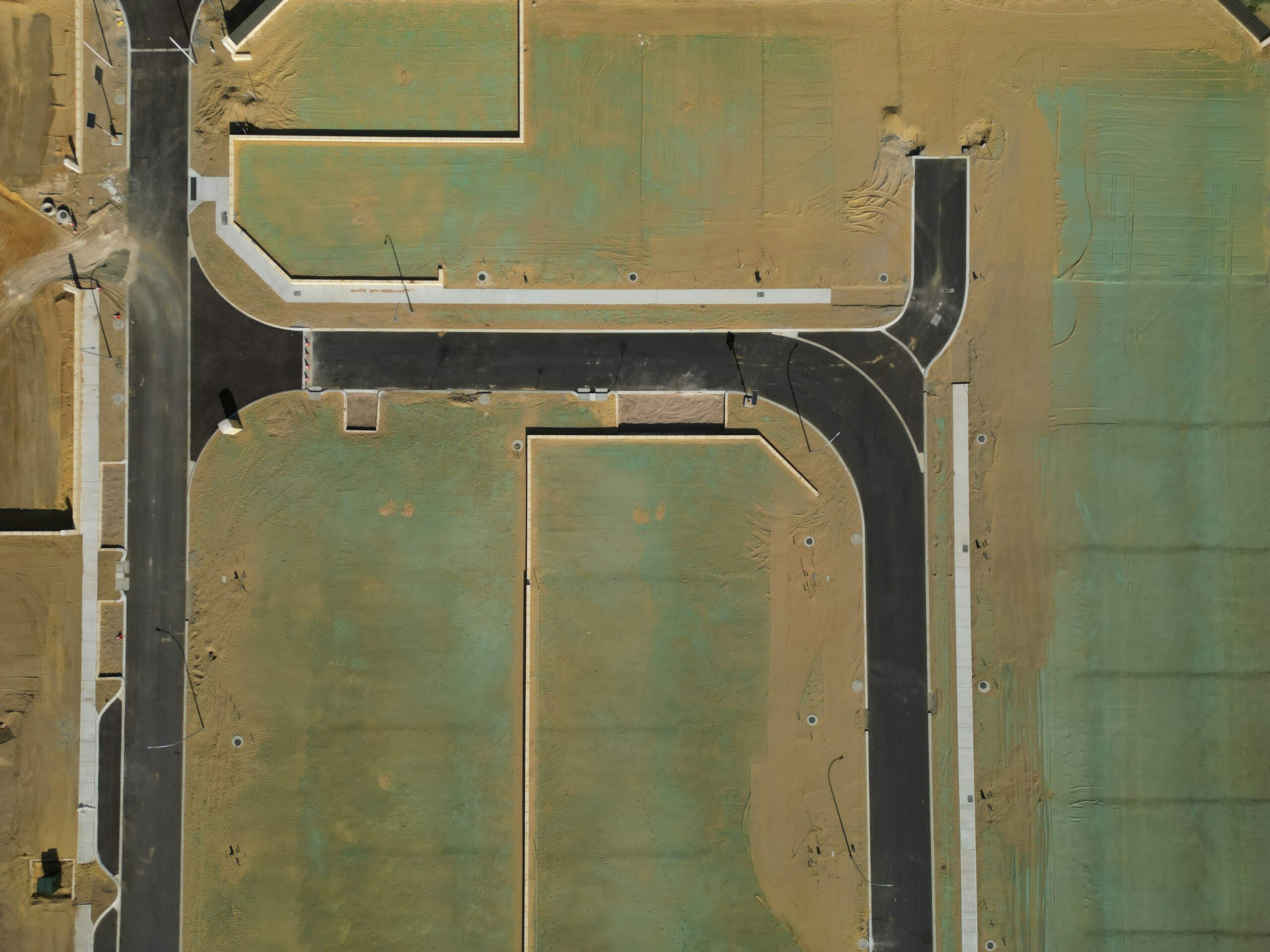
Changes to mandatory Biodiversity Net Gain take effect in England on 6 August 2026.
The changes introduce new exemptions for certain developments on sites of 0.2 hectares or below and for qualifying temporary development. They also remove the existing self-build and custom-build exemption and give some minor developments greater flexibility to use off-site biodiversity gains.
The rules apply according to when the planning application is made. Applications already submitted before 6 August 2026 will generally continue under the previous arrangements.
Quick answer
From 6 August 2026:
- Some developments on sites of 0.2 hectares or below will be exempt from mandatory BNG.
- Certain temporary developments lasting no more than five years will be exempt.
- Self-build and custom-build development will no longer have its own BNG exemption for new applications.
- Minor developments that remain subject to BNG may use off-site gains without first having to prioritise on-site delivery.
The new site-area and temporary-development exemptions do not apply where the development negatively affects an on-site priority habitat. The changes apply in England only.
The practical risk is applying the correct exemption to the wrong application date, site boundary or development type.
An exemption from mandatory BNG also does not remove wider environmental protections. Planning decisions must continue to consider the mitigation hierarchy and the effect of development on habitats and protected species.
1. The new 0.2-hectare exemption
From 6 August 2026, mandatory BNG will generally not apply to a planning application where the development site is 0.2 hectares or below.
The site area is determined by the land within the planning application’s red line boundary. It is not based only on the footprint of the proposed building, the area of habitat being removed or the amount of previously developed land.
A 0.2-hectare site is equivalent to 2,000 square metres.
The exemption does not apply if the proposed development negatively affects an on-site priority habitat. In that situation, the development will need to meet the BNG requirement unless another exemption or transitional provision applies.
What applicants should check
Before relying on the exemption, confirm:
- the total area inside the red line boundary;
- that the application is made on or after 6 August 2026;
- whether any priority habitat is present on the site;
- whether the proposal will reduce the biodiversity value of that habitat; and
- whether another exemption is clearer or more appropriate for the development.
The exemption is area-based. A project does not need to be residential, self-build or householder development to qualify.
Equally, a small building footprint does not establish that the site is below the threshold. The entire red line application site must be measured.
2. A new exemption for temporary development
A new exemption will apply where:
- the whole development is temporary;
- planning permission is granted for five years or less; and
- the development does not negatively affect an on-site priority habitat.
The whole development must be temporary. A proposal containing both permanent and temporary elements should not be treated as exempt merely because one part will later be removed.
Applicants should also check whether the same temporary development has already benefited from an earlier temporary permission.
Where successive permissions would allow the development to remain for more than five years in total, the exemption may not apply. For example, a further three-year permission following an earlier four-year permission would produce a combined period exceeding five years.
What applicants should check
Record:
- why the development is temporary;
- how and when the land will be reinstated;
- the proposed time limit on the permission;
- any earlier permissions for the same temporary development; and
- whether priority habitat will be affected.
The temporary nature of a proposal should be clear from the description of development, supporting documents and proposed conditions.
3. The self-build and custom-build exemption is being removed
Until 6 August 2026, qualifying self-build and custom-build development can benefit from a specific exemption from mandatory BNG.
That standalone exemption is being removed for new planning applications made on or after 6 August 2026.
This does not mean that every self-build application will become subject to mandatory BNG.
A self-build or custom-build proposal may still qualify under another exemption. For example, a development on a site of 0.2 hectares or below may benefit from the new site-area exemption, provided it does not negatively affect an on-site priority habitat.
The important change is that self-build status alone will no longer establish an exemption.
Transitional position
A qualifying self-build or custom-build application made before 6 August 2026 can continue to benefit from the previous exemption.
Government guidance also confirms that a later application to vary a permission may remain exempt where the original permission benefited from the self-build or custom-build exemption. Variations and section 73 applications can involve specific transitional rules, so the position should be checked against the original application and permission.
4. More flexibility for minor development
Mandatory BNG normally follows a hierarchy for delivering biodiversity gains.
Broadly, developers consider:
- avoiding or reducing harm;
- delivering gains on the development site;
- using registered off-site biodiversity gains; and
- purchasing statutory biodiversity credits as a last resort.
From 6 August 2026, minor developments that are not exempt will be able to consider on-site and off-site delivery at the same time. They may choose to use off-site gains without first demonstrating that on-site habitat creation or enhancement was prioritised.
This can provide useful flexibility on constrained sites where meaningful on-site habitat creation would be difficult or may conflict with the design and use of the development.
Statutory biodiversity credits remain a last-resort option. The broader obligation to avoid and mitigate environmental harm also remains relevant.
What counts as minor development?
Government guidance describes small or minor development as including:
- residential development of between one and nine dwellings on a site of one hectare or less;
- residential development where the number of dwellings is unknown and the site is below 0.5 hectares; and
- commercial development creating less than 1,000 square metres of floorspace or on a site below one hectare.
Minerals and waste development are excluded from this definition.
Many developments within the minor category will now fall within the 0.2-hectare exemption. The revised hierarchy will be most relevant to minor developments on larger sites, or developments that do not qualify for the exemption because they affect priority habitat.
Which application date controls?
The changes broadly apply to new planning applications made on or after 6 August 2026.
Applications submitted before that date continue under the previous BNG arrangements, even where the planning authority determines the application after 6 August.
Applicants should therefore retain a clear record of:
- the application submission date;
- the version of the application form used;
- the exemption or transitional provision claimed;
- the site area calculation; and
- the evidence supporting the BNG position.
The date on which an application is made can materially change the result, particularly for self-build development and small sites.
What has not changed?
The amendments do not bring an end to mandatory BNG.
Where no exemption or transitional arrangement applies, development in England will generally remain subject to the biodiversity gain condition and must deliver at least a 10% increase in biodiversity value.
For a development subject to mandatory BNG:
- the statutory biodiversity metric must be used;
- the required application-stage BNG information must be provided;
- a Biodiversity Gain Plan must be submitted and approved following planning permission; and
- development cannot begin until that plan has been approved.
Significant on-site gains and registered off-site gains must generally be secured, managed and maintained for at least 30 years.
The existing de minimis exemption also remains in place. This applies where development affects less than 25 square metres of on-site habitat and less than five metres of on-site linear habitat, subject to the relevant conditions and priority-habitat restriction.
Does this apply in Wales?
No. These changes relate to the statutory Biodiversity Net Gain framework operating in England.
Wales has its own planning policy and biodiversity requirements. Applicants should not apply the English statutory BNG exemptions or forms to a Welsh planning application.
For projects close to the border, the relevant rules are determined by the location of the development and the local planning authority receiving the application.
What applicants and agents should do now
Before submitting an application on or after 6 August 2026:
1. Confirm the jurisdiction
Establish whether the development is in England or Wales. The statutory BNG framework and these amendments apply to England.
2. Measure the red line site area
Do not rely on the building footprint or the area of proposed works. Confirm the total site area within the red line boundary.
3. Check for priority habitat
Do not claim the 0.2-hectare or temporary-development exemption without considering whether the development affects an on-site priority habitat.
Seek ecological advice where the habitat position is uncertain.
4. Check the application date
Identify whether the application is being made before, on or after 6 August 2026.
This is especially important for self-build and custom-build proposals prepared under the previous exemption.
5. Identify the most appropriate exemption
A development may appear to meet more than one exemption. Government guidance indicates that applicants and planning authorities should focus on the exemption that is most appropriate and easiest to assess.
There is no requirement to demonstrate that every possible exemption applies.
6. Explain the position on the application
Where an applicant considers that the biodiversity gain condition does not apply, the planning application must include a statement explaining the exemption or transitional provision being relied upon.
Avoid stating only that the project is “BNG exempt”. Identify the relevant exemption and the facts supporting it.
7. Check the local validation requirements
The national exemption does not prevent a local planning authority from requiring proportionate ecological information where it is relevant to the proposal.
Check the authority’s current local validation list, application guidance and ecology requirements before submission.
Frequently asked questions
Is every development on a site below 0.2 hectares exempt?
No. The exemption applies where the site area inside the red line boundary is 0.2 hectares or below, but it does not apply where the development negatively affects an on-site priority habitat.
Other environmental and planning-policy requirements may also continue to apply.
Will a self-build application still be exempt?
Self-build and custom-build status will no longer provide its own exemption for new applications made on or after 6 August 2026.
The development may still qualify under another exemption, including the new 0.2-hectare exemption.
Do the new rules apply to applications already submitted?
Broadly, no. Applications made before 6 August 2026 continue under the previous BNG arrangements.
Specific transitional provisions can apply to variations of existing planning permissions.
Can minor development go directly to off-site BNG?
Yes. From 6 August 2026, a minor development that remains subject to mandatory BNG can consider on-site and off-site delivery together and may choose to use off-site gains without first prioritising on-site delivery.
Statutory biodiversity credits remain a last resort.
Is a five-year extension to an existing temporary permission automatically exempt?
Not necessarily. Earlier permissions for the same temporary development must be considered. The exemption may not apply where the combined permitted period would exceed five years.
Preparing for the new rules
The amendments should simplify the position for many small development sites. They also create new points that must be checked carefully.
Site area, priority habitat, application date and the precise nature of the development will determine whether an exemption applies.
A clear record of those checks will help applicants and agents explain the position to the local planning authority and reduce uncertainty during validation.
UK Planning Gateway supports architects, planning consultants, developers and professional agents in preparing planning application packs against published local authority requirements and available guidance.
Local planning authorities remain responsible for validation. Applicants and agents remain responsible for the accuracy and completeness of their submissions.