
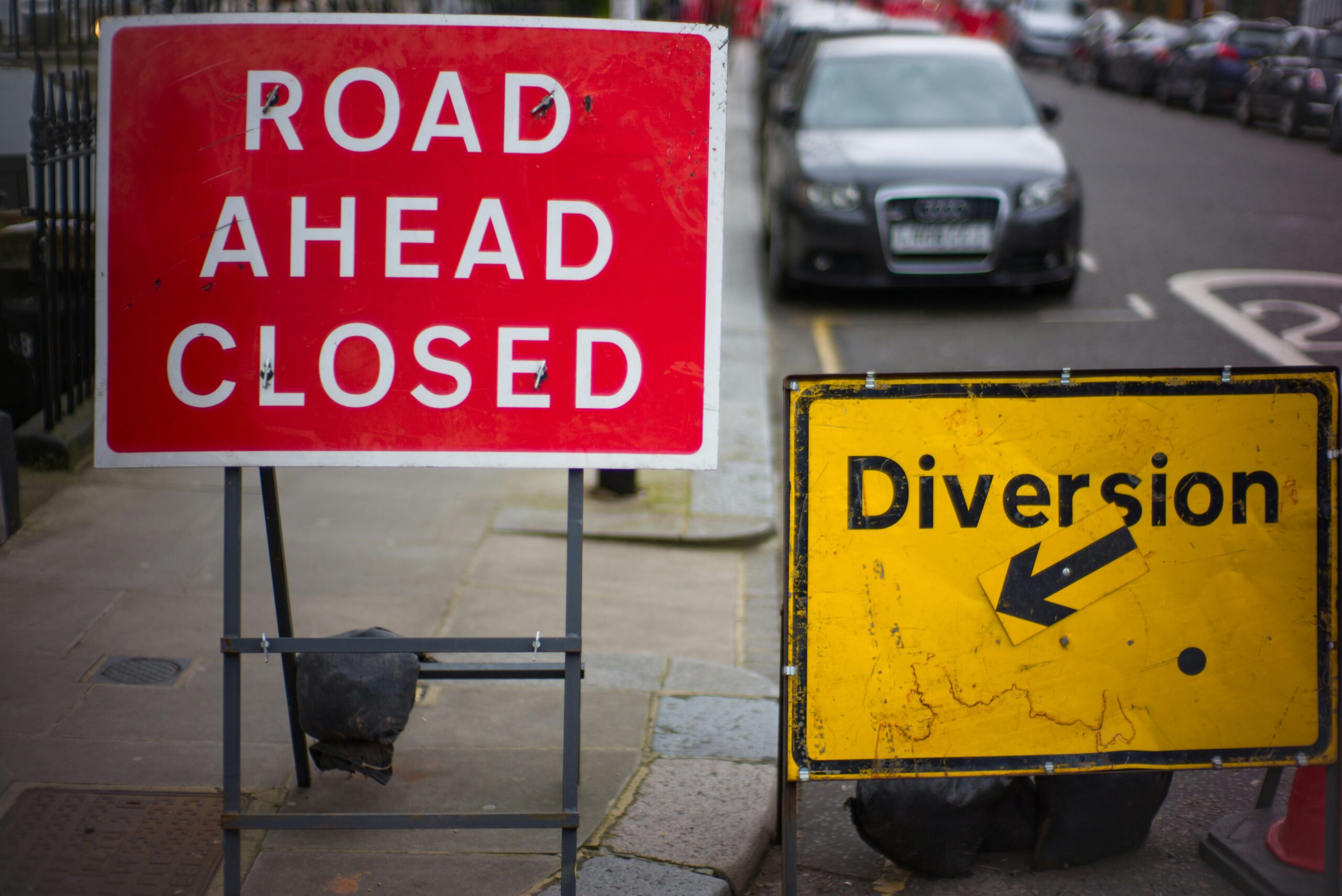
Most planning applications can follow a standard digital submission route. A small number of specialist application types do not.
Planning Portal publishes a list of application types that are not currently available through its online application system, fee calculator or paper form chooser, and directs applicants to contact the relevant local planning authority or check the council’s website for details. UK Planning Gateway also does not currently support the specialist routes set out below.
This guide explains which application types are affected and what to do next.
Planning permission for mineral extraction or associated development
Applications for mineral extraction or associated development are specialist planning submissions. Government guidance refers to mineral planning authorities and sets out a separate body of minerals planning guidance, which is one reason this category sits outside the normal submission flow used for more standard applications.
If your proposal relates to mineral extraction, quarrying, or associated mineral development, the safest next step is to check the relevant council’s website and confirm the correct submission route before preparing the application. That follows the direction currently given on the Planning Portal page listing unsupported application types.
Modification or discharge of a Section 106 planning obligation
Applications to modify or discharge a Section 106 planning obligation are also outside the standard online route referred to above. Government guidance explains that planning obligations, whether section 106 agreements or unilateral undertakings, can usually only be modified or discharged under section 106A, either by agreement with the local planning authority or by an application to the local planning authority.
In practical terms, this means the correct route should be confirmed directly with the council rather than assumed to fit an ordinary planning application workflow.
Certain prior approval applications
The excluded prior approval routes currently listed are:
- toll road facilities, Part 9 Class D
- mining and mineral exploration, Part 17 Classes B, C, D, F and G
- miscellaneous development, Part 18 Class A
These are specialist prior approval categories. If your proposal falls within one of these classes, it is worth confirming the exact process with the relevant local planning authority before you prepare supporting documents or forms.
Certificates of Appropriate Alternative Development
Applications for Certificates of Appropriate Alternative Development are also listed among the routes not currently available through Planning Portal’s online system. The underlying statutory route sits in section 17 of the Land Compensation Act 1961, which deals with certificates of appropriate alternative development in a compulsory purchase context.
Because this is a specialist statutory process, the correct route should be checked directly with the relevant local planning authority.
What should you do if your application falls into one of these categories?
If your application falls into one of the routes above, the simplest next step is to contact the relevant local planning authority or check the council’s website for submission details. That is the direction currently given on the Planning Portal page for these application types.
It is also sensible to confirm any local forms, supporting documents, and submission requirements before progressing, especially where the application route is uncommon or procedural. That is a practical inference from the fact these routes are being directed back to the local authority rather than handled through the standard online pathway.
Why we are publishing this
UK Planning Gateway should be clear about the application routes it supports and the ones that still need to go direct to the council.
For these specialist cases, the important thing is not trying to force the wrong submission route. It is identifying the correct route early and dealing with the relevant authority directly.
Important Note
UK Planning Gateway performs validation checks against published planning requirements, but Local Planning Authorities remain responsible for determining how specialist applications should be submitted.
Applicants should always confirm the correct submission route with the relevant council.
Need help working out the right route?
If you are unsure which route applies, AskArchi can help you understand the planning process and point you towards the correct submission route for your development.
You should also check the relevant local planning authority’s website for any route-specific guidance, forms or submission requirements.
Where a proposal is unusual, highly specialist, or linked to legal agreements or compulsory purchase, professional planning advice may also be appropriate.